
Reviewed · AQABA TOURS
Stargazing Adventure in Jordan
Look up, and the desert changes. This 90-minute stargazing tour combines a short astronomy presentation, naked-eye sky watching, and GPS-guided telescopes in Wadi Rum, where low light pollution can make the stars far clearer than in Aqaba or a city. I like the included transfers from most Disi Area camps, and I like the two-part format, which lets you study constellations and telescope targets rather than simply stand outside and hope for a clear view. The main caution is that the setting may not feel as remote as you expect, and telescope viewing can vary with weather, equipment, and the number of people waiting.
You are picked up after dinner, then seated for a 20-minute introduction before splitting into two equal groups. One group follows a green laser through the sky while the other uses computerized telescopes, then you switch. At $30 per person, the price is fair for the instruction, transport, and equipment, but this is best for curious beginners rather than anyone expecting a serious observatory session or guaranteed spectacular photographs.
In This Review
- Key points to know before booking
- Why Wadi Rum works so well after dark
- The 20-minute astronomy presentation
- Group One follows the green laser
- Group Two works with the GPS telescopes
- The final time-exposure group photo
- What the $30 price really covers
- Who will enjoy this night most
- Practical planning for a smoother evening
- Should you book the Stargazing Adventure?
- FAQ
- How long does the Stargazing Adventure last?
- What time is pickup?
- Is transportation included?
- What can you see through the telescopes?
- Is bottled water included?
- What happens if the weather is poor?
Key points to know before booking
- Pickup follows dinner: Winter pickup from local Disi Area camps is around 7:45 PM, with summer times changing.
- Two astronomy sessions: You spend about 35 minutes with the laser-guided sky talk and 35 minutes at the telescopes.
- The presentation comes first: A professional astronomer explains the cosmos in a seated hall using a large screen.
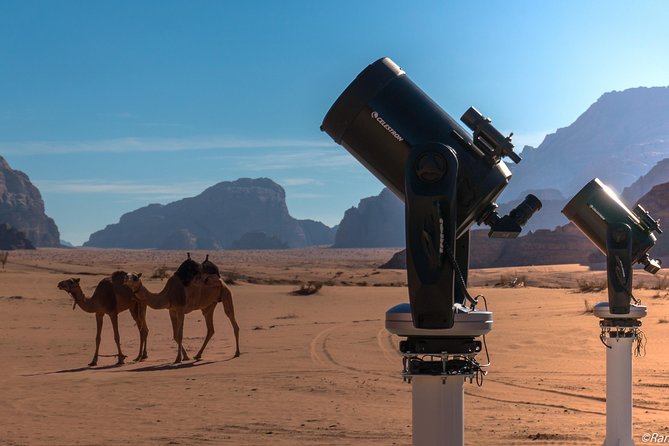
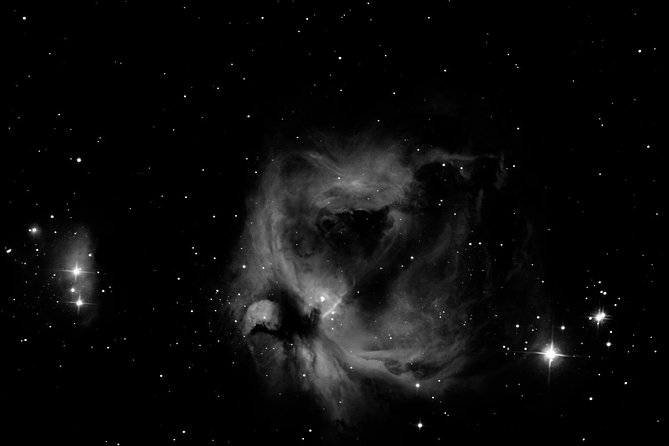
- GPS telescopes find distant targets: You may view galaxies, nebulae, planets, and moons, depending on conditions.
- The group can be large: The maximum is 120 people, so the experience may feel more organized than intimate.
- Weather matters: A poor-weather cancellation brings a different date or a full refund.
Why Wadi Rum works so well after dark
Wadi Rum is famous for red rock and desert scenery by day, but its greatest free attraction arrives after sunset. Low light pollution gives the night sky a real chance to show itself. That matters because stargazing is not only about owning a powerful telescope. A dark sky lets you see more stars with your own eyes and makes constellation patterns easier to trace.
This tour takes place in the Wadi Rum area, with transport from most camps in the Disi Area. You do not need to arrange a late-night desert drive, which is a major practical benefit. The pickup is planned after dinner, so you can enjoy your evening meal first rather than rush through it.
Still, keep your expectations sensible. One important criticism of the experience is that the observation site may not feel far enough from the camps to remove all light pollution. If you picture total darkness and a silent observatory several miles into the desert, you may find the setting more basic than expected.
The advertised operating hours run from 5:00 PM to 11:30 PM, every day during the stated operating period. Your actual winter pickup is around 7:45 PM. Summer times change, so you should confirm the schedule before setting out.
More Aqaba days out:
- 3-Day Private Tour from Amman: Petra, Wadi Rum, Dana, Aqaba, and Dead Sea
★ 5.0 · 425 reviews - Wadi Rum Full Day Jeep Tour + Overnight & Dinner in Bedouin Camp
★ 5.0 · 368 reviews - Wadi Rum: Morning or Sunset Jeep Tour
★ 5.0 · 285 reviews
The 20-minute astronomy presentation
The evening begins indoors in a seated hall, where a professional astronomer gives a presentation on a large screen. This is a useful opening because it gives you a simple framework before you start looking upward. Instead of hearing scattered facts beside a telescope, you first get an introduction to the cosmos and the main ideas behind the evening.
The presentation is also likely to be the easiest part for beginners. You can sit, listen, and ask questions if the format allows, without trying to identify a star in the dark. The material is described as informative and easy to follow, with enough substance to appeal to people who already own a telescope or enjoy astronomy.
For children and first-time stargazers, this introduction can make the later sessions more rewarding. You will have some sense of what you are looking for, why the sky changes through the year, and how the objects in the telescope fit into the wider picture.
The tradeoff is time. The presentation takes about 20 minutes of a 90-minute experience. If your main goal is uninterrupted telescope viewing, you may wish the outdoor session were longer. If you enjoy learning how to read the sky, the talk gives the evening a useful shape.
Group One follows the green laser
After the presentation, half the group heads outside for the naked-eye astronomy session. A professional astronomer uses a powerful green laser, with a candle track around the viewing area, to point out stars, constellations, and zodiac signs.
This part is more valuable than it may sound. A telescope shows you a small target, but learning the shape of the sky helps you find your direction and recognize patterns later. The guide explains how stars can help with orientation, then discusses the daily and annual movement of the stars.
You also hear stories from ancient mythologies connected with the constellations. That gives the sky a human side. The stars are not just points of light, they are a record of how different cultures explained the world above them.
The session lasts about 35 minutes. That is enough time for a guided introduction, though it is not a long, quiet period for private stargazing. The laser presentation is designed to teach, so you will spend much of the time listening and looking where the guide points.
One rating of the experience found this section too basic. That is a fair warning for experienced amateur astronomers. If you already know the major constellations and can navigate the night sky, the material may repeat things you understand. For most beginners, though, the laser makes the stars far easier to follow than an unstructured attempt to identify them alone.
Group Two works with the GPS telescopes
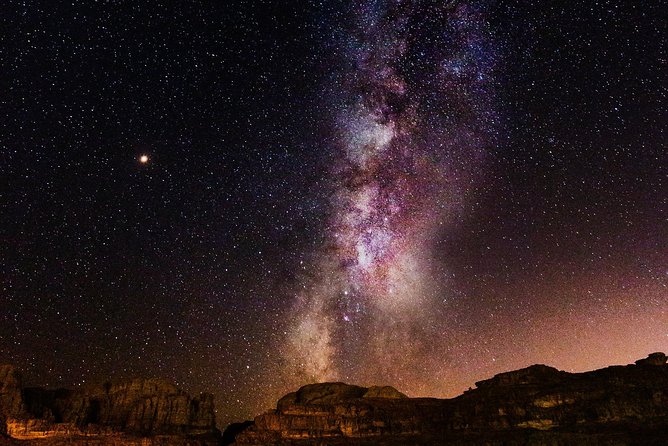
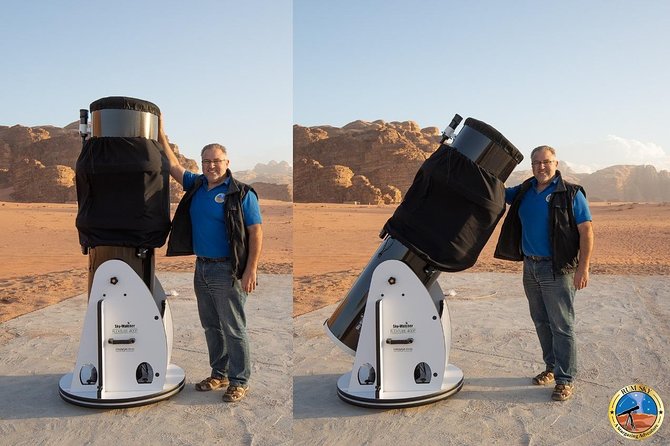
At the same time, the other half of the group uses large telescopes fitted with computerized GPS systems. The equipment is intended to locate targets such as galaxies, nebulae, planets, and moons.
The GPS feature matters because finding distant objects by hand can take time, especially for beginners. With a computerized system, the astronomer can move the telescope toward selected targets more efficiently. You can spend your limited outdoor time looking rather than waiting through a long search.
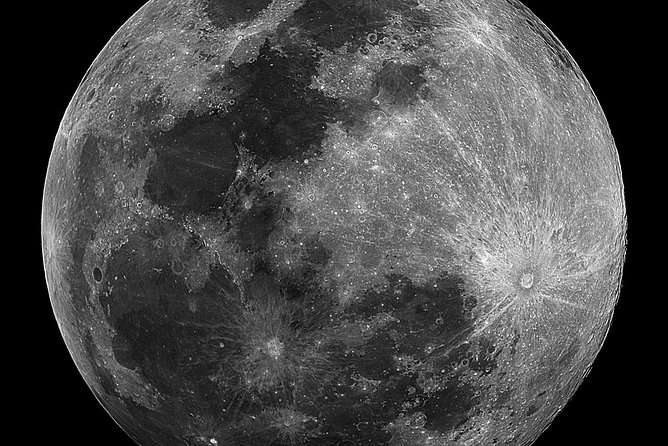
This is the part most likely to excite visitors who have never looked through a serious telescope. A bright planet or moon can appear sharply different from what you see with the naked eye, while a galaxy or nebula gives you a sense of scale far beyond the desert around you.
The session is guided by another professional astronomer and lasts about 35 minutes. At the halfway point, the groups switch, so everyone receives both the laser lesson and telescope time.
That system is practical, but it also reveals the limits of a group tour. You will share the equipment and may need to wait for your turn. With a maximum capacity of 120 people, the experience can become busy, especially when many people want a look at the same target.
Telescope quality and viewing conditions also vary. One low-rated experience found the telescope views disappointing, while another praised the instruments and even received useful advice about personal telescope equipment. Those opposite reactions are a good reminder that astronomy depends on clear skies, the chosen targets, focus, timing, and how much time each person gets at the eyepiece.
A completely different kind of day out around Aqaba:
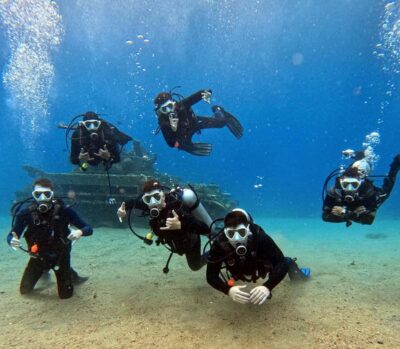
- Aqaba: Private Red Sea Diving for Beginner or Experienced
★ 4.9 · 230 reviews - Journey of Diving or Snorkelling from a Boat
★ 5.0 · 218 reviews - Wadi Rum Cave Camping with Jeep Tour
★ 5.0 · 200 reviews - Wadi Rum: Bedouin Camp Stay,Full-Day Desert Tour with 3Meals
★ 4.9 · 198 reviews
The final time-exposure group photo
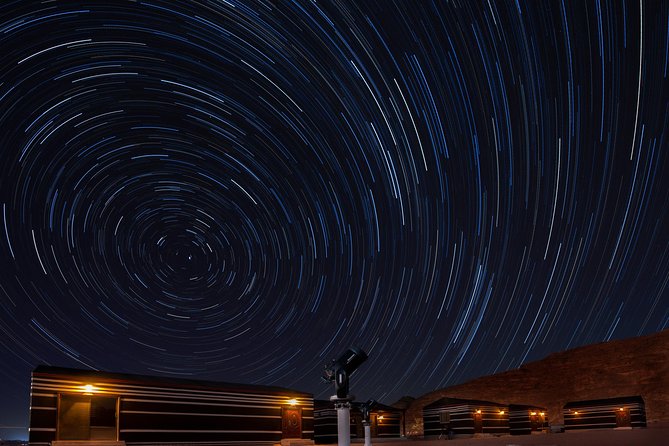
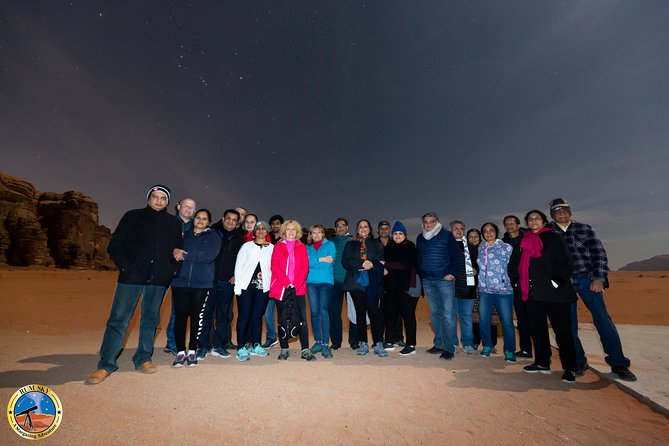
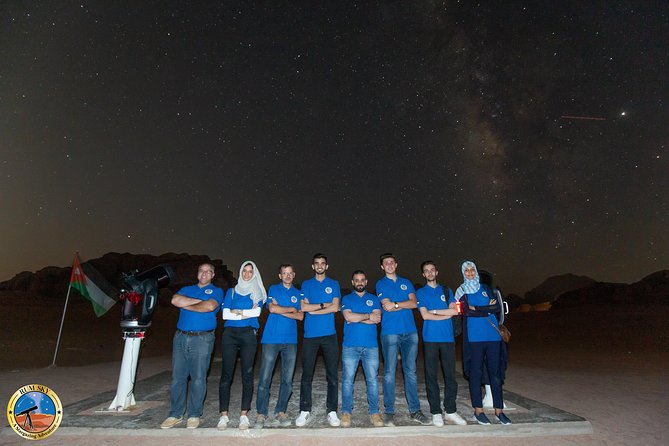
The evening ends with a group photo using a time-exposure technique that highlights the sky objects. This is a pleasant extra rather than the main reason to book.
A time exposure can record more light than your eyes see in an instant, so it suits the setting. You get a visual reminder of the night that includes both the group and the stars above. The photo also helps make the experience feel like a shared outing rather than a lecture followed by separate telescope turns.
Do not book this mainly as a professional astrophotography workshop. The information provided points to a group photo, not an individual portrait session or a full camera lesson. One person did receive good photography help from a local astrophotographer, but that kind of personal advice should be treated as a bonus, not a guaranteed part of the package.
What the $30 price really covers
At $30 per person, the price is reasonable if you value three things: instruction, equipment, and transport. You receive a professional astronomy presentation, guided naked-eye observation, telescope access, and a group photo. Round-trip transfers from most local camps are included, which saves you from arranging an evening vehicle in the desert.
The value is strongest for first-time stargazers. You are paying for a planned introduction and access to equipment you may not otherwise use. A private telescope session would likely offer more personal attention, but this price gives you a structured evening at a modest cost.
The value is less clear if you already have strong astronomy skills or mainly want uninterrupted time under the stars. The laser session may feel elementary, and telescope time is shared. The maximum group size of 120 is particularly important here. Even if the actual group is smaller, you should not assume a quiet, one-on-one observatory visit.
Water is not included. Bottled water and soft drinks are available at a reasonable cost, so bring some cash or plan to buy a drink there. Since pickup comes after dinner, you do not need to rely on the tour for a meal.
Who will enjoy this night most
I would recommend this experience to people who are curious about astronomy but do not know where to begin. The presentation explains the basics, the green laser gives you a clear guide through the constellations, and the GPS telescopes let you see objects that are hard to locate without help.
Families can also find the format useful, since the evening mixes stories, visible star patterns, and equipment. The tour information says most people can participate, and service animals are allowed.
It is also a good fit if you are staying at a Wadi Rum camp and want a simple evening activity without arranging transport. The pickup plan removes one of the biggest hassles of desert night driving.
You may want to skip it if you expect a silent, remote, highly technical astronomy session. The site may still have some nearby camp light, the group may be large, and the telescope experience depends on conditions. Experienced amateur astronomers could find the constellation talk too simple, though the equipment and astronomy discussion may still offer value.
Practical planning for a smoother evening
Confirm the pickup time with the operator, especially in summer. The winter estimate is around 7:45 PM in the Disi Area, but the schedule changes with the season.
Plan dinner before pickup. The tour is specifically arranged to collect people after their evening meal, and the experience itself does not include food or bottled water.
Wear something comfortable for both indoor and outdoor time. The tour includes a seated presentation followed by an outdoor session, so you will move between different settings during the night.
Expect a shared activity rather than a private one. The two-group system keeps the evening moving, but you will not have constant access to one telescope. If you want a particular planet or object, listen closely to the astronomer and take your turn promptly.
Keep your plans flexible around the weather. Astronomy cannot be forced through cloud cover or poor visibility. If the operator cancels because conditions are bad, you can choose another date or receive a full refund.
Cancellation is free up to 24 hours before the start time. Changes or cancellations within 24 hours are not refunded, so check the forecast and your desert transport plans before that deadline.
Should you book the Stargazing Adventure?
Book it if you want an affordable, guided introduction to the Wadi Rum night sky, especially when you are already staying at a local camp. The included pickup, clear two-part format, professional astronomy staff, and telescope access make $30 a sensible price for beginners.
Go in expecting an organized group activity, not a private observatory. The best parts are the easy-to-follow presentation, the stories behind the constellations, and the chance to use large GPS-equipped telescopes. The main risks are light near the camps, limited viewing time, possible crowds, and weather.
If those limits sound acceptable, this is a worthwhile addition to a Wadi Rum stay. If your priority is advanced astrophotography or long, quiet observation, you may want a more specialized option instead.
FAQ
How long does the Stargazing Adventure last?
The experience lasts approximately 1 hour and 30 minutes. This includes a 20-minute presentation and two outdoor sessions of about 35 minutes each.
What time is pickup?
Winter pickup from local camps in the Disi Area is around 7:45 PM, after dinner. Summer times change, so you should check the current pickup time with the provider.
Is transportation included?
Yes. Free transportation is provided from most local camps in the Wadi Rum area. You should check whether your specific camp is included.
What can you see through the telescopes?
The GPS-equipped telescopes may be used to view galaxies, nebulae, planets, and moons. The exact objects visible depend on conditions and the targets selected during the session.
Is bottled water included?
No. Bottled water and soft drinks are available for a reasonable cost, but they are not included in the tour price.
What happens if the weather is poor?
The experience requires good weather. If it is canceled because of poor conditions, you will be offered a different date or a full refund. You can also cancel for a full refund up to 24 hours before the start time.
Just added around Aqaba
- Wadi Rum 4-Hour Sunset Tour – Wadi Rum Desert Highlights★ 5.0 · 3 reviews
- 2-Night Private Jordan Gem Tour: Petra, Wadi Rum, and Aqaba from Amman★ 5.0 · 3 reviews
- 2 Days Private Tour to Wadi Rum and Petra from Eilat★ 5.0 · 3 reviews
- 1 Day & 1 Night | Stay & Jeep + Camel Tour in Wadi Rum | Magic Bedouin Star★ 4.5 · 3 reviews
- Petra Day Tour from Aqaba Port (Shore Excursion Petra) – JHT★ 5.0 · 3 reviews
- Aqaba Airport Transfer to Petra★ 5.0 · 3 reviews
- 4 Days tour Petra & Wadi Rum Tour from Aqaba Airport★ 5.0 · 3 reviews
- Private 2Day Jeep Tour with Overnight in Bedouin Camp in Wadi Rum★ 5.0 · 3 reviews
Aqaba Tours, compared.
3-Day Private Tour from Amman: Petra, Wadi Rum, Dana, Aqaba, and Dead Sea
Read our review →
Wadi Rum Full Day Jeep Tour + Overnight & Dinner in Bedouin Camp
Read our review →
Private Red Sea Diving for Beginner or Experienced
Read our review →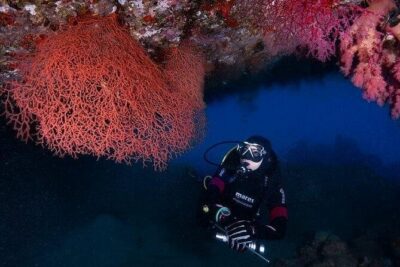
Bedouin Camp Stay,Full-Day Desert Tour with 3Meals
Read our review →Browse the lists this tour appears in