
Reviewed · HISTORICAL TOURS
8 Days Jordan Historical & Sightseeing Private Tour
Jordan packs ancient cities, desert silence, biblical sites, and salty water into one very busy week. This eight-day private tour covers the country’s major sights with airport transfers, private air-conditioned transport, hotels, entrance fees, and local guides included.
I like the strong route from north to south, especially the contrast between green Ajloun, Roman Jerash, Petra’s sandstone corridors, and Wadi Rum’s open desert. I also like the private format, which gives your group more control than a large coach tour. The main drawback is the pace: several days involve long drives and multiple major sites, so you need moderate physical fitness and a taste for early starts.
The tour costs $1,253.43 per person. That is a serious sum, but it covers eight days of transport, accommodation, guides, sightseeing tickets, airport transfers, Jordan’s entry visa, breakfast each day, and a desert camp stay with dinner. You will still pay for some meals, drinks, tips, and personal expenses, so budget beyond the headline price.
In This Review
- Key reasons this Jordan tour works
- Arriving in Amman with the airport transfer
- Jerash and Ajloun reveal Jordan’s northern side
- Mount Nebo, Madaba, and the long King’s Highway day
- Petra deserves the full seven-hour day
- Sleeping in Wadi Rum and riding across the desert
- Aqaba offers a slower coastal interlude
- Floating at the Dead Sea on Day 7
- What the $1,253.43 price really covers
- Who should book this route?
- FAQ
- How long is the Jordan Historical and Sightseeing Private Tour?
- What is the price per person?
- Is this a private tour?
- What transport is provided?
- Are hotels included?
- Is a guide included at Petra?
- Is the Wadi Rum jeep ride included?
- Are entrance fees included?
- What fitness level is required?
- Should you book it?
Key reasons this Jordan tour works
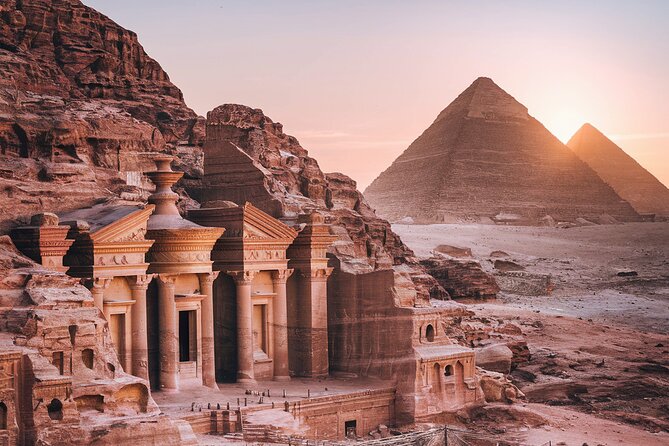
- Petra receives a full day: You have about seven hours at Jordan’s signature archaeological site, with a private English-speaking guide for two hours in the lower area.
- Private transport keeps the route flexible: Only your group participates, and the modern air-conditioned vehicle removes the need to manage Jordan’s intercity buses.
- The north shows a greener side of Jordan: Jerash and Ajloun reveal pine forests and olive groves that feel far removed from the southern desert.
- Wadi Rum includes a Bedouin camp and jeep ride: Traditional sage tea, dinner, breakfast, and a two-hour 4×4 safari are part of the package.
- The route ends with downtime: Aqaba includes free time, and Day 7 gives you a full leisure day at the Dead Sea.
- The service is a major strength: Names praised in the supplied feedback include organizer Mohamed and drivers Ahmed and Mohammed, with special attention to kindness, safety, and flexibility.
Arriving in Amman with the airport transfer
Your Jordan trip begins at Queen Alia International Airport. A representative meets you with a sign showing your family name, then takes you to your Amman hotel. The stated transfer time is about 30 minutes.
This is a useful start after a flight. You do not need to negotiate a taxi, change money immediately, or explain a hotel address while tired. After check-in, the schedule leaves you to rest and prepare for the first sightseeing day.
The airport pickup and final drop-off are included, along with the Jordan entry visa. That takes some of the friction out of arrival, though you should still keep your booking confirmation and travel documents handy.
More history-led tours:
- Amman: Culture, History, Tradition & Food Day or Night Tour
★ 5.0 · 124 reviews - Amman Heritage Tour: Street Food, Local Culture & Art
★ 5.0 · 21 reviews - Journey Through Jordan’s History Tour
★ 5.0 · 16 reviews
Jerash and Ajloun reveal Jordan’s northern side
Day 2 begins after breakfast with a drive north to Jerash. Allow about two hours at the ruins. This is one of Jordan’s best places to understand Roman city planning, with colonnaded streets, monumental remains, and a large theater among the ruins.
Jerash is often called the city of a thousand columns. The title gives you a sense of the scale, but the real pleasure is walking through a city that still feels organized rather than reduced to a few isolated stones. A local English-speaking guide is included for two hours, which adds useful context to the architecture and surviving features.
You then continue to Ajloun Castle, also for about two hours. This medieval Arab fortress was once governed by Saladin and is one of the better-preserved examples of Arab military architecture in the region. Its location also gives the day a welcome change of scenery.
The road to Ajloun passes through pine forests and olive groves. That greener setting is easy to miss if you think of Jordan only as a desert country. The north is cooler in feel and more agricultural, and the contrast makes the later Wadi Rum visit even stronger.
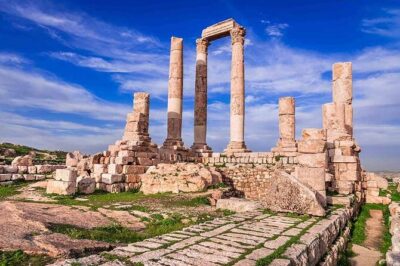
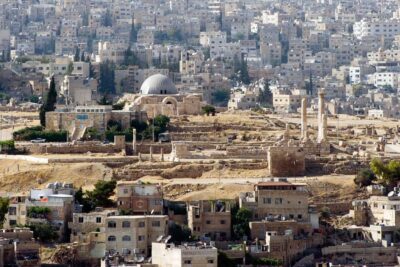
The return to Amman brings you to the Citadel, high on an L-shaped hill. From here, you get broad views across the city’s seven hills. The site also helps explain Amman’s long settlement story, with occupation reaching back about 7,000 years.
The Roman Theatre is the final stop. Built into a hillside and facing north, it once held around 6,000 spectators. The steep seating is still impressive, but take care on the steps and uneven surfaces. Day 2 gives you four substantial stops, so the schedule is rewarding but full.
Mount Nebo, Madaba, and the long King’s Highway day
Day 3 follows the King’s Highway south. This route once formed part of the ancient Silk Road, and it links several of Jordan’s most important religious and archaeological sites.
Mount Nebo is the first stop, with about 30 minutes scheduled. It is a major Christian pilgrimage site and is traditionally associated with Moses, who is believed to have been buried there. The short visit works best as a viewpoint and religious stop rather than a long exploration.
Madaba follows. At St. George Greek Orthodox Church, you can see the famous sixth-century Byzantine mosaic map of the Holy Land. The map shows Jerusalem and other places, and it is one of those small, specific sights that rewards a guide who can explain what you are seeing.
The Archaeological Park adds remains of Byzantine churches, including the Church of the Virgin and its mosaics. One hour is enough for a focused visit, though anyone fascinated by early Christian art may wish for more time.
Next comes Wadi al-Mujib, where the road passes above a dramatic valley. The itinerary allows about 30 minutes for views. Do not confuse this short stop with a canyon hike. The provided schedule describes a scenic visit, not a water route or extended walk.
Karak Castle gives the day its largest historical stop. Allow two hours to explore this Crusader fortress, which later became a major Islamic stronghold. It sits about 1,000 meters above sea level on a hill surrounded on three sides by valleys.
Inside, expect narrow passages, crumbling masonry, and a fortress layout that rewards slow steps. The view from the top reaches over farmland and valleys. Karak is not polished or easy underfoot, which is part of its appeal, but you should wear firm shoes and avoid treating the visit as a quick photo stop.
This is one of the tour’s longest and most varied days. Mount Nebo, Madaba, Wadi al-Mujib, and Karak cover faith, art, scenery, and military history. The tradeoff is road time and a packed schedule.
Petra deserves the full seven-hour day
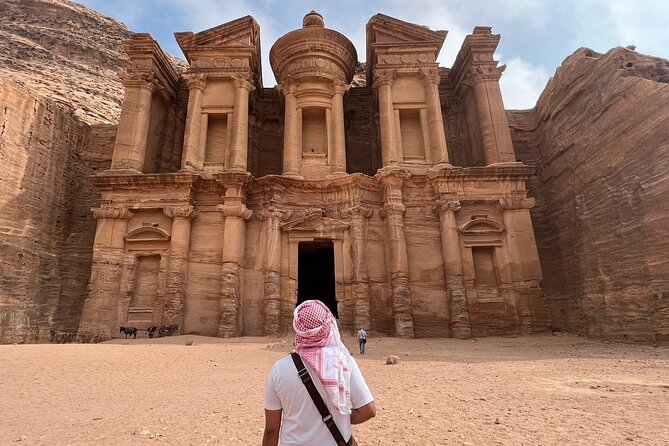
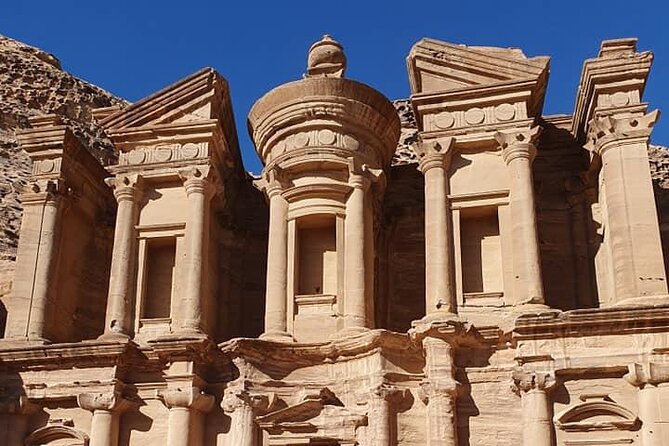
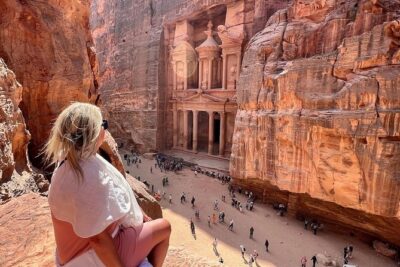
Day 4 is devoted to Petra, and this is the right decision. A rushed half-day visit would give you the Treasury and little else. Here, you have about seven hours at the site, with a private English-speaking guide for two hours covering the lower section.
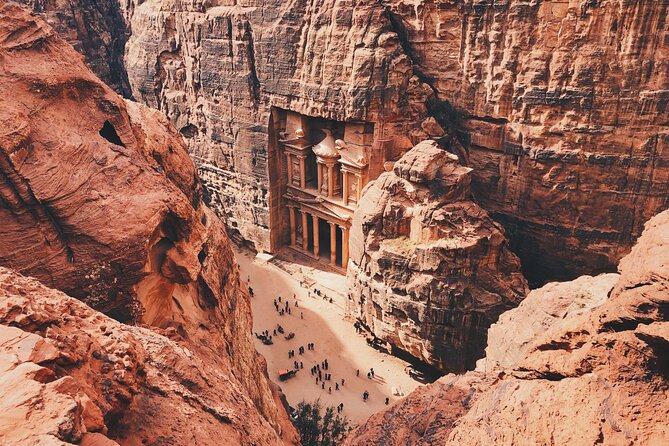
You enter through the Siq, a narrow gorge that gradually reveals Petra. Ancient water channels run along its sides, showing how the Nabataeans managed water in a dry region. The approach matters. The Treasury is more powerful because it appears at the end of a confined passage rather than beside a modern road.
Beyond the Treasury, Petra opens into a broad archaeological area with tombs, facades, houses, and a theater. You can spend the guided portion learning the basic story and layout, then use your remaining time to look more closely at the lower city.
The seven-hour stop does not mean seven hours of continuous walking for everyone. It does mean you should plan for a substantial amount of walking on uneven ground and in exposed sun. Comfortable shoes, water, and sun protection are sensible. The tour description does not include a guided hike to higher viewpoints, so confirm what you want to see before setting out.
A private guide is valuable here because Petra can feel confusing once you move beyond the Treasury. The guide covers the lower areas, while your private driver handles the wider route. You have room to pause for photos or rest, but the precise pace will depend on your guide, your group, and site conditions.
A few more trips worth weighing up before you book
- Amman: Petra, Wadi Rum, and Dead Sea 2-Day Tour
★ 4.9 · 1,173 reviews - 2-Day Tour: Petra, Wadi Rum, and Dead Sea from Amman
★ 5.0 · 1,141 reviews - From Amman: Petra & Wadi Rum Private or group Day Tour
★ 4.9 · 750 reviews - From Amman: Petra and Wadi rum Full day Tour
★ 5.0 · 538 reviews
Sleeping in Wadi Rum and riding across the desert
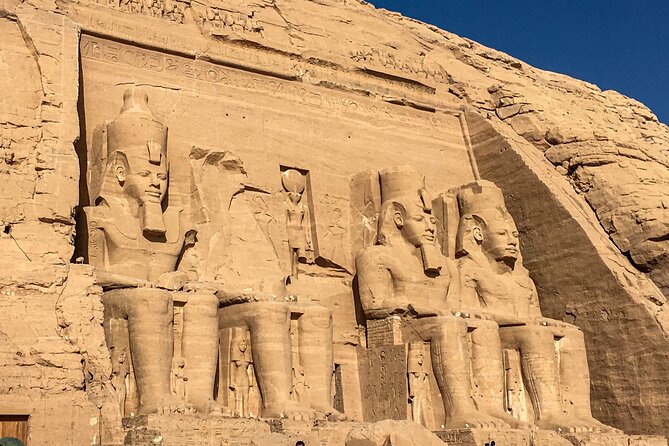
After breakfast on Day 5, you head south to Wadi Rum Protected Area. The reserve covers about 720 square kilometers, with huge sandstone and granite mountains rising from the desert.
The experience begins with a Bedouin welcome and traditional tea made with fresh sage and sugar. That small ritual gives the stop a human connection before the vehicle takes you farther into the desert.
A two-hour jeep safari is included in the package. You ride in the back of a 4×4 truck through the open desert, taking in rock formations and wide views. The stated total visit lasts about five hours, so the schedule includes time beyond the vehicle ride.
The description also includes an overnight desert camp, breakfast, and dinner. This is a key part of the tour rather than a simple afternoon excursion. Sleeping away from Amman’s city noise changes the rhythm of the trip, though camp comfort and exact facilities are not detailed, so ask ahead if you have firm accommodation needs.
Bring a light layer for the evening and practical footwear. The desert can feel very different after sunset, and the ground may be sandy or uneven. The package includes dinner at the camp, but other meals and drinks not specifically listed remain your responsibility.
Aqaba offers a slower coastal interlude
Day 6 shifts from desert scenery to Aqaba. The sightseeing begins at Aqaba Castle, once part of a pilgrimage route along the Northern Way. The visit lasts about 30 minutes, making it a compact historical stop.
You then see Aqaba Church, described as one of the oldest known purpose-built churches in the world. The visit is also scheduled for 30 minutes. As with Mount Nebo, the time is brief, but the site adds an important early Christian layer to the route.
Ayla, an early Islamic city founded in 650, receives about 45 minutes. Its remains interest anyone who likes urban archaeology because you are looking at the traces of an early Islamic settlement rather than a single grand monument.
The rest of the day is free at your Aqaba hotel. This break matters. After Jerash, Petra, Karak, and Wadi Rum, you may appreciate an afternoon without another major archaeological site. The package gives you the structure of sightseeing and some room to set your own pace.
The itinerary does not specify meals, beach activities, or hotel amenities in Aqaba. Plan on using the free time according to what your accommodation and local arrangements provide.
Floating at the Dead Sea on Day 7
Day 7 takes you to the Dead Sea, the lowest point on Earth at about 423 meters below sea level. You have a full day at leisure, which is a smart change after several active days.
The water is about four times saltier than normal seawater. That high salt content makes floating easy, though you should avoid getting the water in your eyes and should follow any local bathing guidance. The mineral-rich water and mud associated with the Dead Sea are the main draw.
This is not a guided sightseeing day. It is a chance to rest, float, read, and enjoy the Jordanian sun. If you prefer packed schedules, the lack of included activities may feel thin. If your legs are tired after Petra and Karak, the free time is welcome.
The information provided does not name the Dead Sea hotel or state which facilities are included. Check whether pool access, beach access, towels, and meals are covered before you arrive.
What the $1,253.43 price really covers
The price has good value if you want a private, all-in-one route through Jordan. Included are modern air-conditioned private transport, hotel accommodation on a bed-and-breakfast basis, the Wadi Rum camp with breakfast and dinner, entrance fees, airport transfers, a Jordan entry visa, taxes, a two-hour Petra guide, a two-hour Jerash guide, and English-speaking guides at Amman’s Citadel.
You also avoid paying separately for the main ticketed sights. That matters in Jordan, where the entrance costs at Petra and other major sites can add up quickly.
The price does not cover all meals and drinks, tips, or personal spending. One dinner is listed among the inclusions, and the camp includes dinner and breakfast, but the exact meal plan outside Wadi Rum is not fully explained. Ask for a day-by-day meal breakdown before booking.
The private format is where much of the value lies. Your group is not combined with strangers, and the supplied service details point to drivers who made themselves available in the evenings and helped adjust plans. Mohammed, Ahmed, and organizer Mohamed are specifically associated with attentive service, safe driving, and handling changes, including flight disruption and a schedule adapted for a 20-month-old child.
That does not guarantee a particular driver, but it gives you useful questions to ask before departure.
Who should book this route?
I would recommend it to a first-time Jordan visitor who wants the major sights without arranging hotels, transfers, tickets, and guides one by one. It also suits families and small groups that value privacy and may need some flexibility.
You should be comfortable with long road days, hot sun, uneven ruins, fortress steps, and several hours on your feet. Petra is the main physical challenge, but Karak and the archaeological areas also require care.
This is less suitable if you want a slow holiday based in one or two towns. The route covers a great deal of ground in eight days. You see more of Jordan, but you give up the freedom to linger in each place.
The cancellation terms are practical but firm: cancel at least three full days before the local start time for a full refund. Later cancellations and changes are not accepted, and poor weather may lead to a new date or full refund.
FAQ
How long is the Jordan Historical and Sightseeing Private Tour?
The tour lasts approximately eight days, beginning with airport pickup and ending with airport drop-off.
What is the price per person?
The listed price is $1,253.43 per person.
Is this a private tour?
Yes. Only your group participates in the private activity.
What transport is provided?
Transportation is provided in modern air-conditioned private vehicles, including airport transfers.
Are hotels included?
Yes. Accommodation at hotels is included on a bed-and-breakfast basis. The tour also includes accommodation at a desert camp in Wadi Rum with breakfast and dinner.
Is a guide included at Petra?
Yes. A private English-speaking guide is included for two hours, covering the lower parts of Petra. The Petra visit itself is scheduled for about seven hours.
Is the Wadi Rum jeep ride included?
Yes. The package includes a two-hour complementary jeep safari in Wadi Rum.
Are entrance fees included?
Yes. All sightseeing entrance fees are included, along with the Jordan entry visa, fees, and taxes.
What fitness level is required?
A moderate physical fitness level is recommended. The route includes walking through archaeological sites, uneven ground, and castle areas, with Petra scheduled for about seven hours.
Should you book it?
Book this tour if you want Jordan’s main sights handled in one private package, with strong coverage of Petra, Jerash, Wadi Rum, Amman, Aqaba, and the Dead Sea. The included transport, tickets, guides, visa, and accommodation make the price easier to justify, especially for a small group.
Before paying, confirm the hotel names, the exact meal plan, the driver and guide arrangements, and what is covered at the Dead Sea. If you accept the busy pace and arrive ready for plenty of walking, this route gives you a broad and memorable look at Jordan without making you organize every moving part yourself.
Just added around Amman
- Amman Airport Private Round-Trip Transfer to Amman★ 5.0 · 3 reviews
- Petra Full-Day Private Tour from Amman or Airport★ 5.0 · 3 reviews
- Full Day Amman Old and New Private City Tour★ 5.0 · 3 reviews
- From Amman :Full day Dead Sea and Ma’in Hot spring tour★ 5.0 · 3 reviews
- Dead Sea Full Day Tour including Lunch★ 5.0 · 3 reviews
- Jordan’s Gems: Tour from Amman to Karak Castle & Dead Sea★ 5.0 · 3 reviews
- 2-Night Private Jordan Gem Tour: Petra, Wadi Rum, and Aqaba from Amman★ 5.0 · 3 reviews
- Full-Days Tours Petra from Amman★ 5.0 · 3 reviews
Historical Tours, compared.
Culture, History, Tradition & Food Day or Night Tour
Read our review →
Amman Heritage Tour: Street Food, Local Culture & Art
Read our review →
Amman Tour : Historical places, Food, markets ,Hidden Gems
Read our review →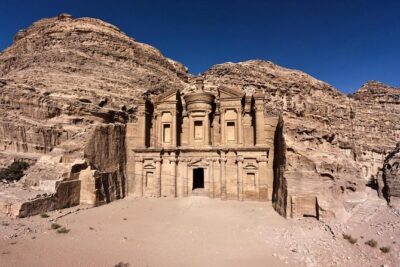
4-Night Private Jordan Cultural Tour: Jerash, Petra, and Wadi Rum Overnight
Read our review →Jordan Pass 4-Night Private Cultural Tour: Jerash, Petra, and Wadi Rum Overnight
Read our review →Browse the lists this tour appears in